
Insect Lexicon
The secret rulers of the taiga
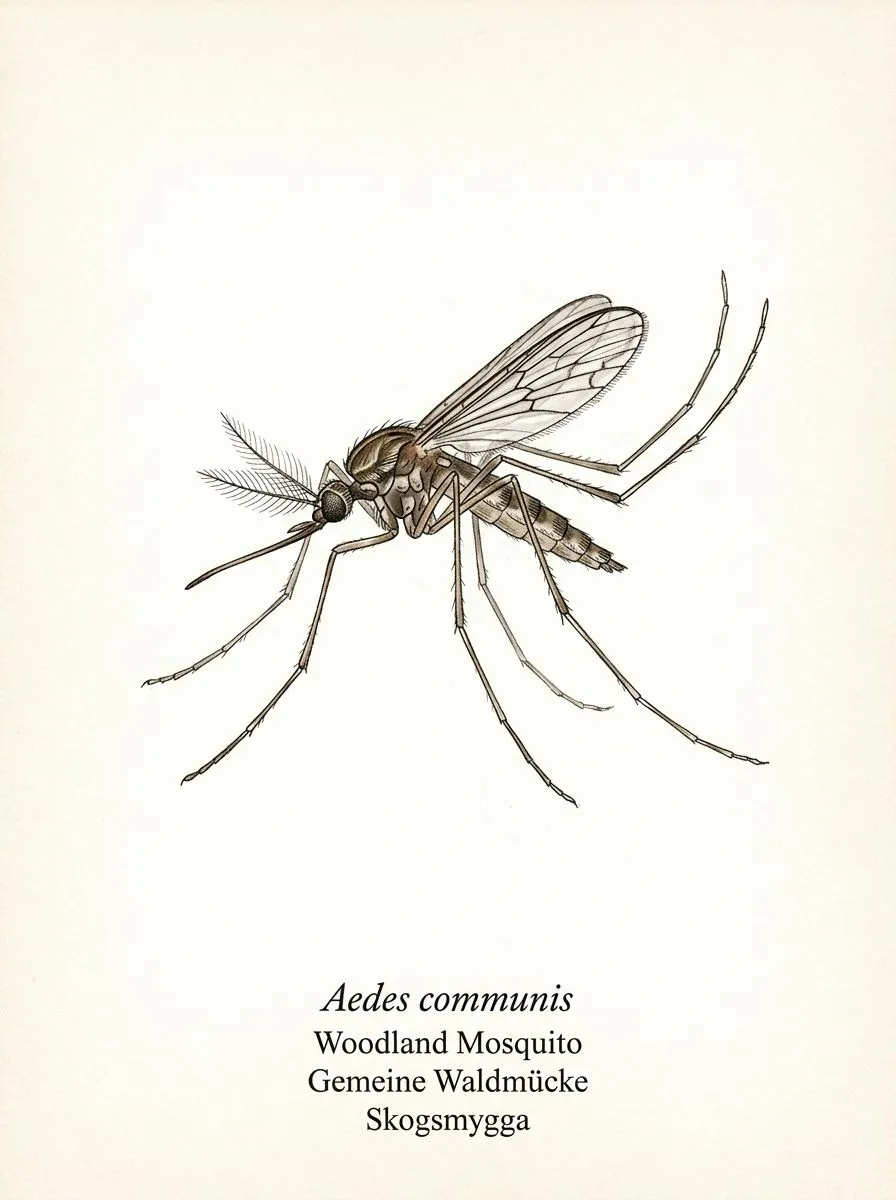
Common house
The most common forest mosquito, active in shaded taiga forests.
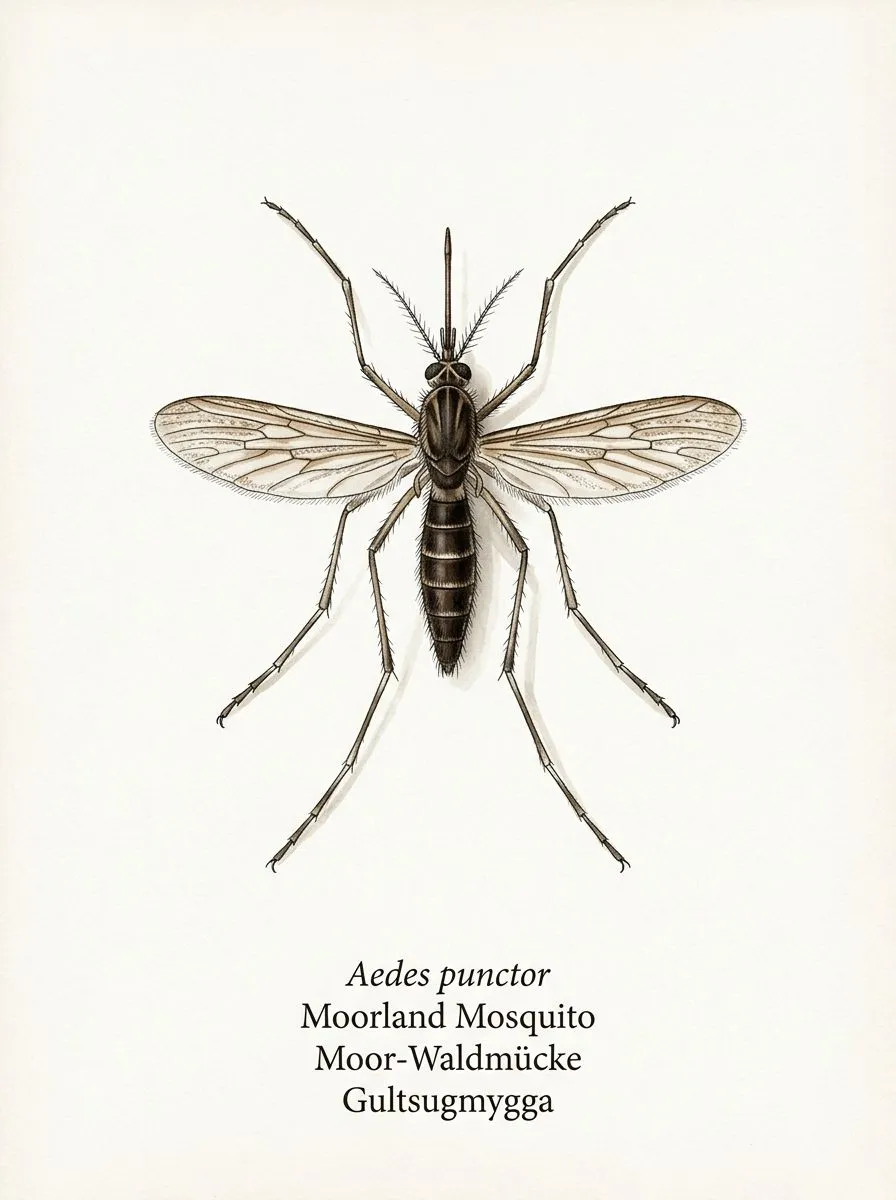
Aedes Punctor
A typical forest mosquito found in boggy areas.
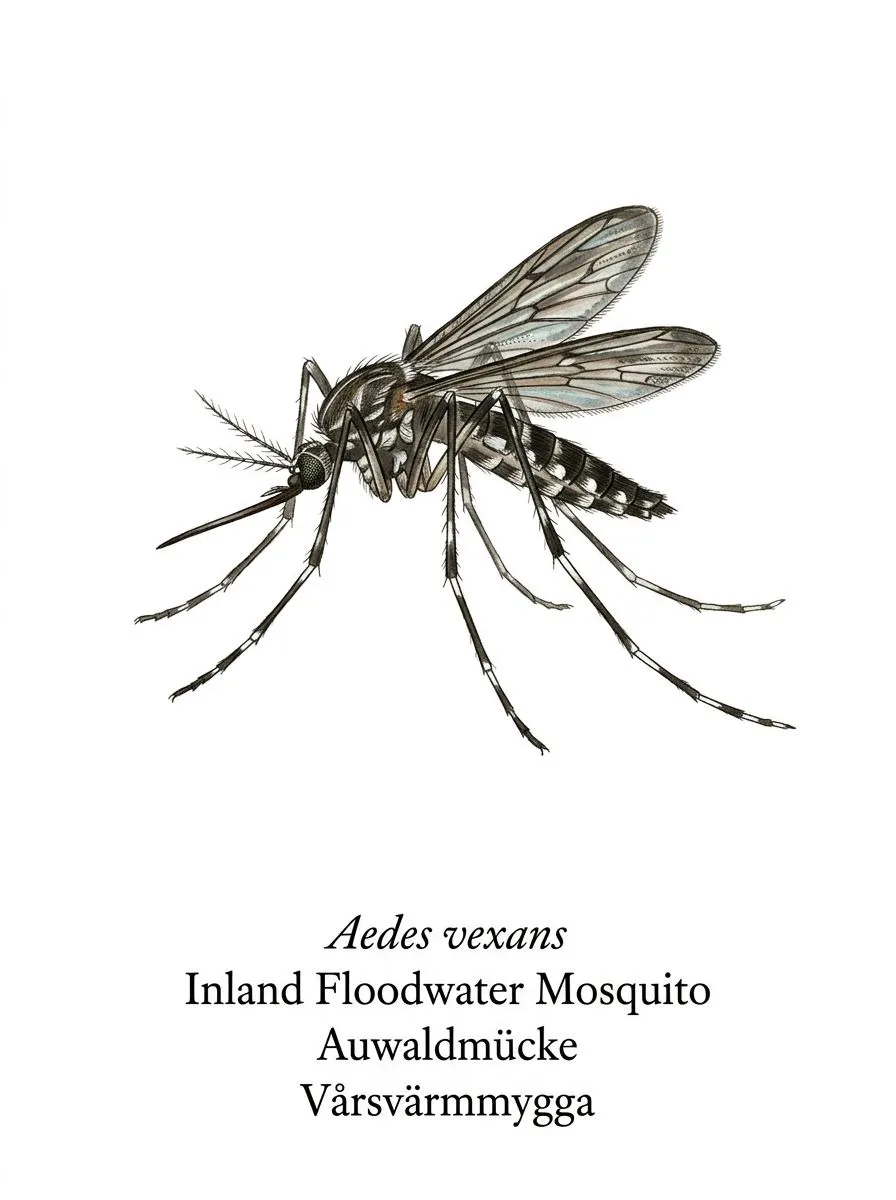
Aedes Vexans
The meadow mosquito, known for massive swarms after floods.
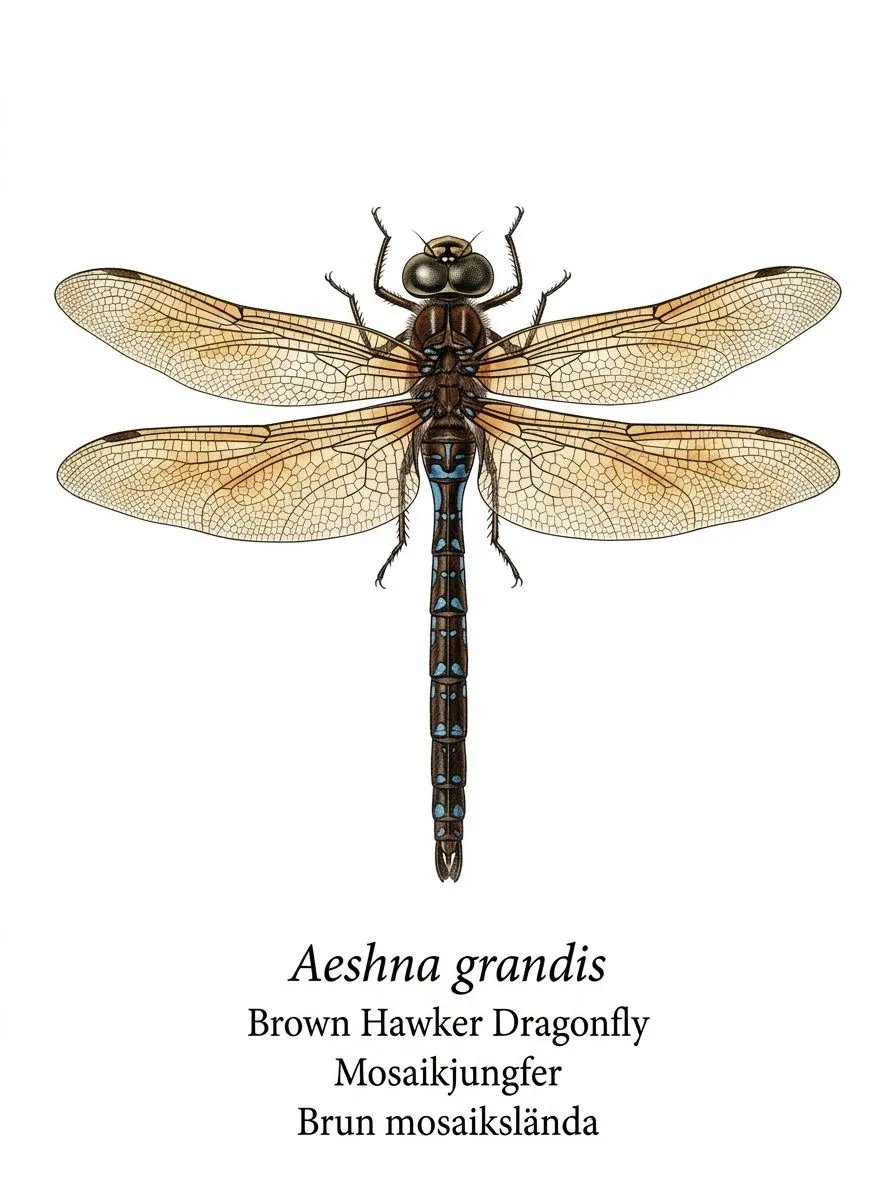
Aeshna Grandis
A large, brown hawker dragonfly with amber-colored wings.
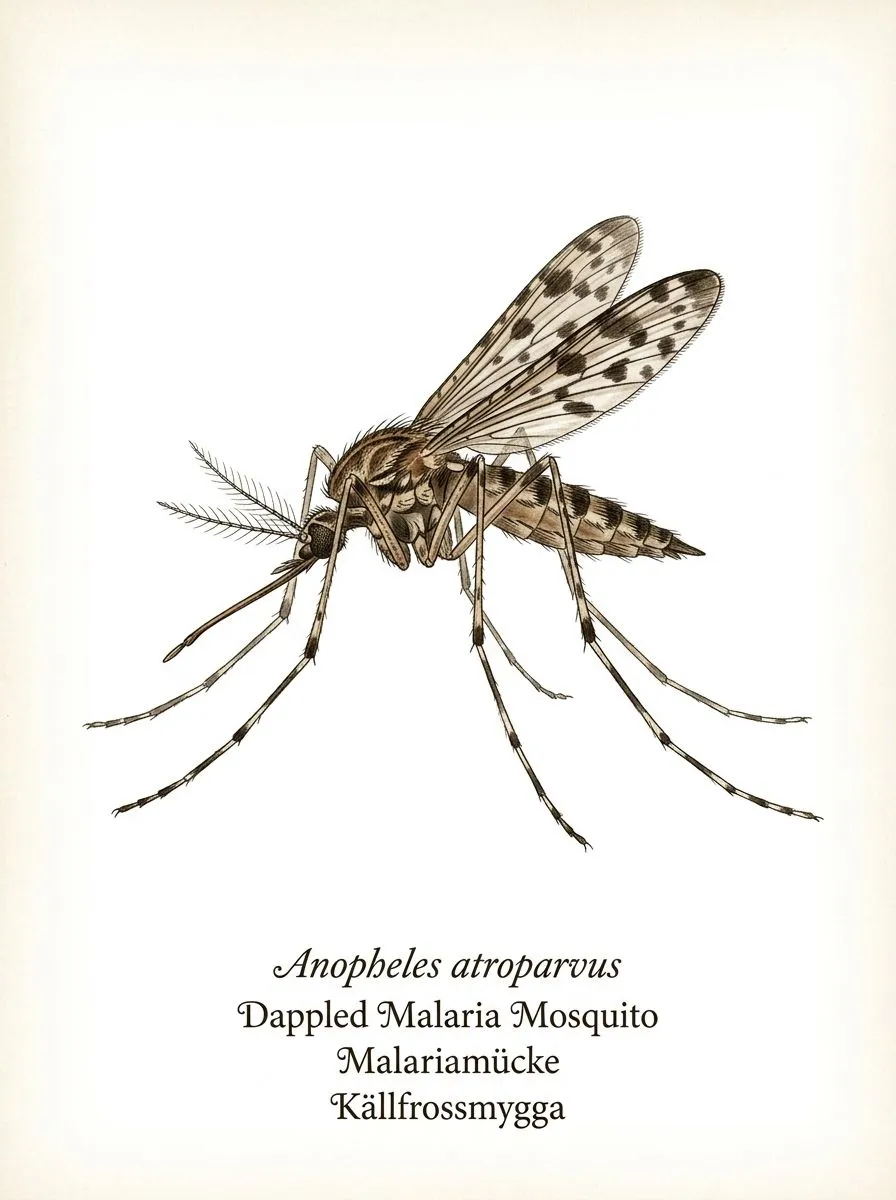
Anopheles atroparvus
The native malaria mosquito, often found near coasts.
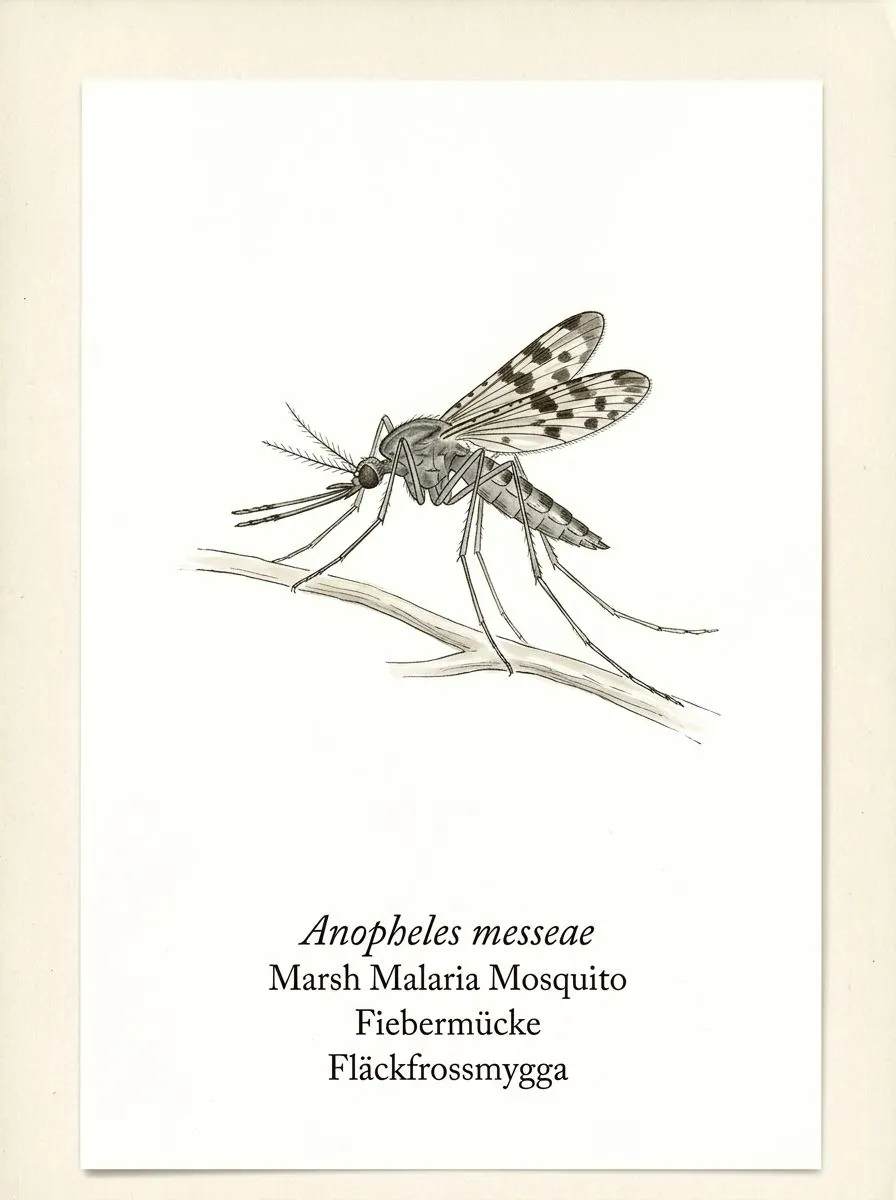
Anopheles Messeae
A widespread species of malaria mosquito near inland waters.
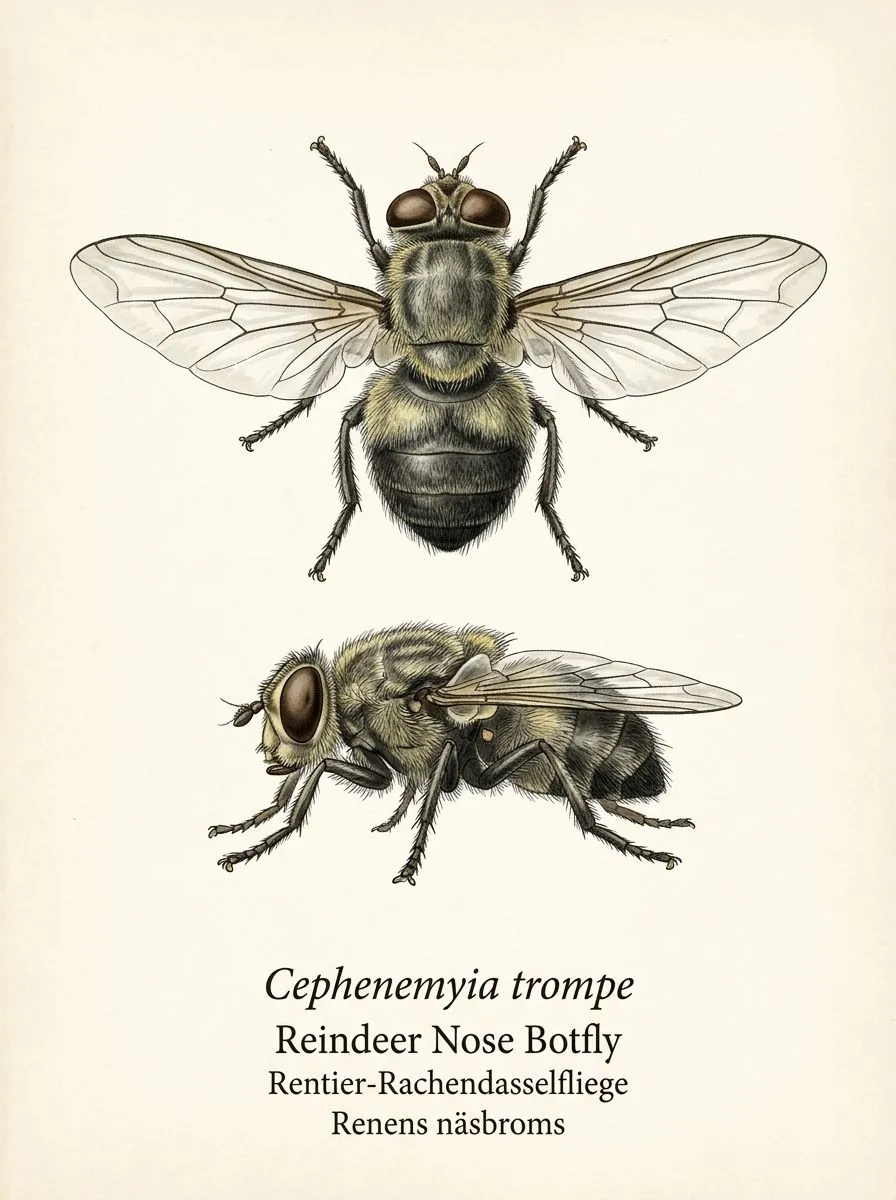
Cephenemyia Trompe
The reindeer nose bot fly, a specialized parasite of reindeer.
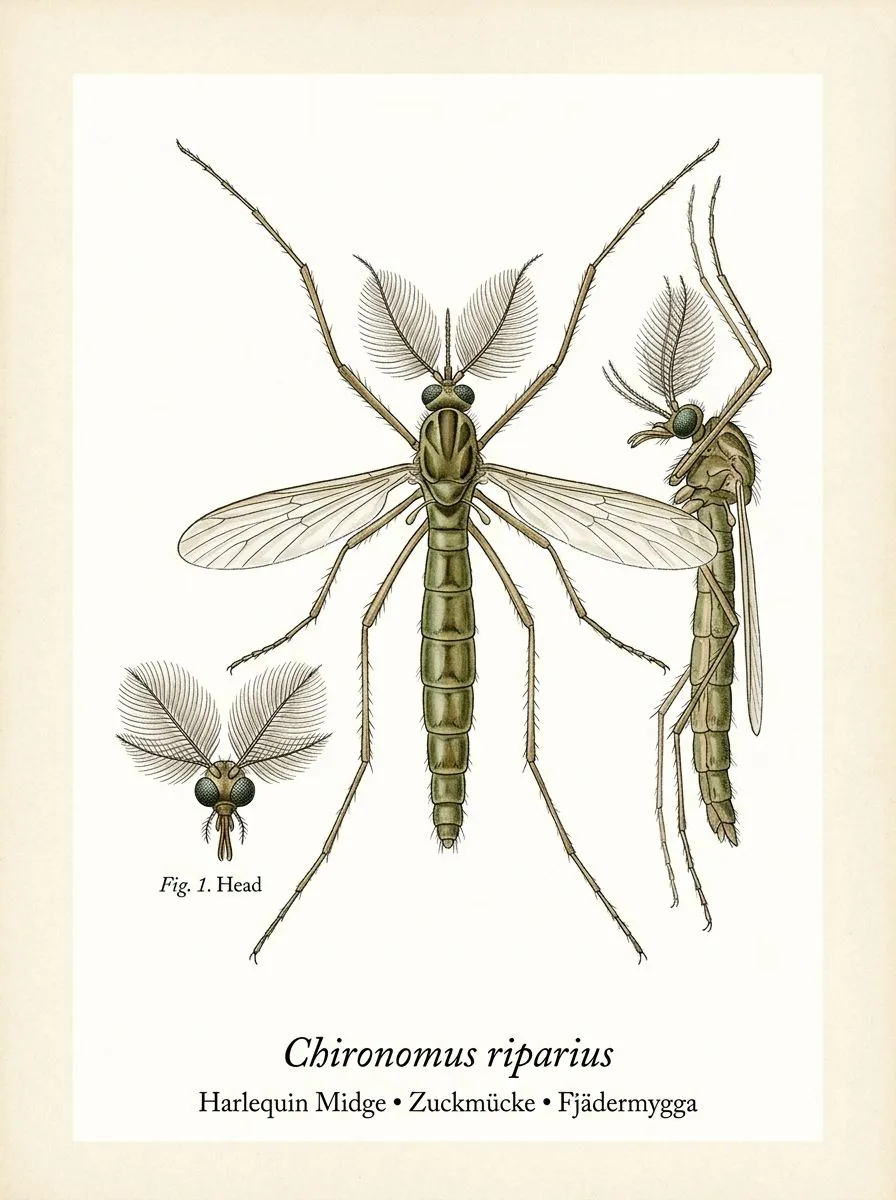
Chironomus Riparius
A harmless midge whose larvae live at the bottom of waters.
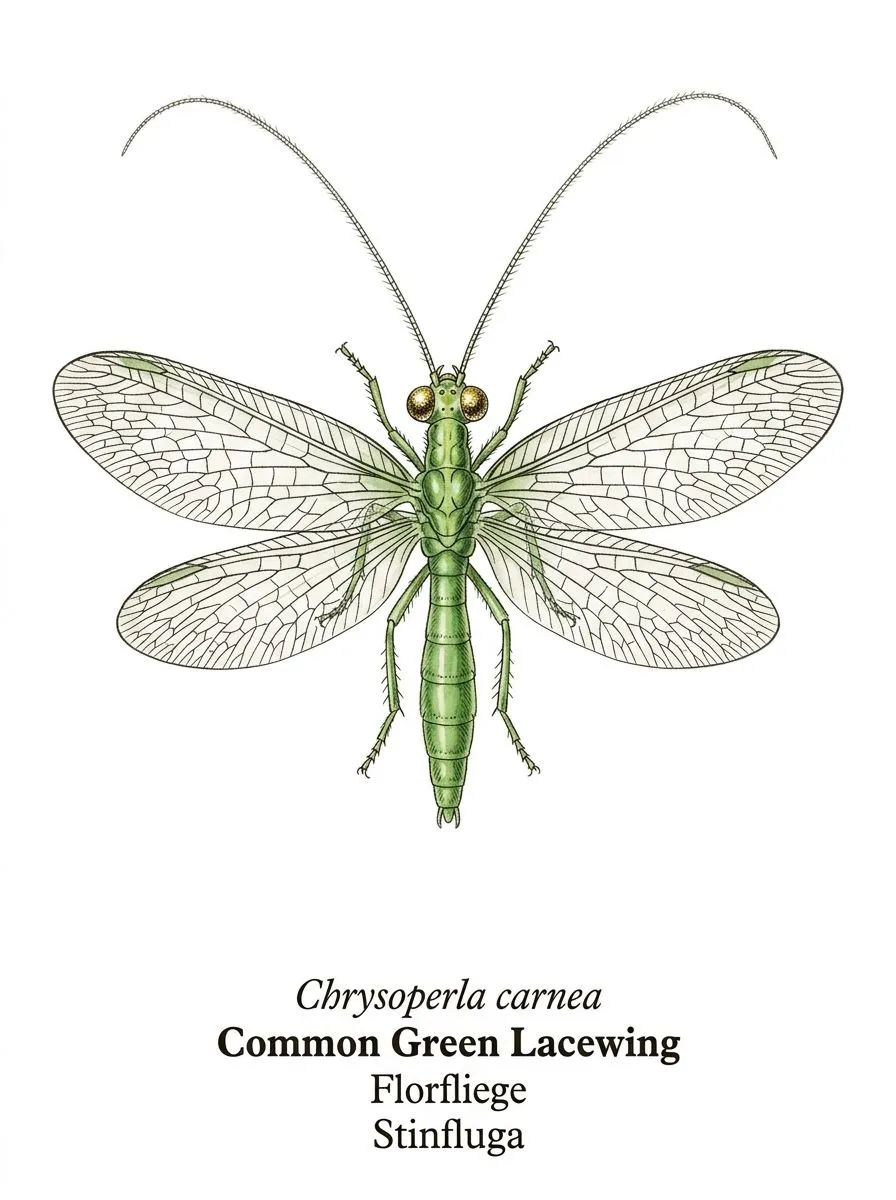
Chrysoperla Carnea
The common green lacewing, a useful aphid hunter.
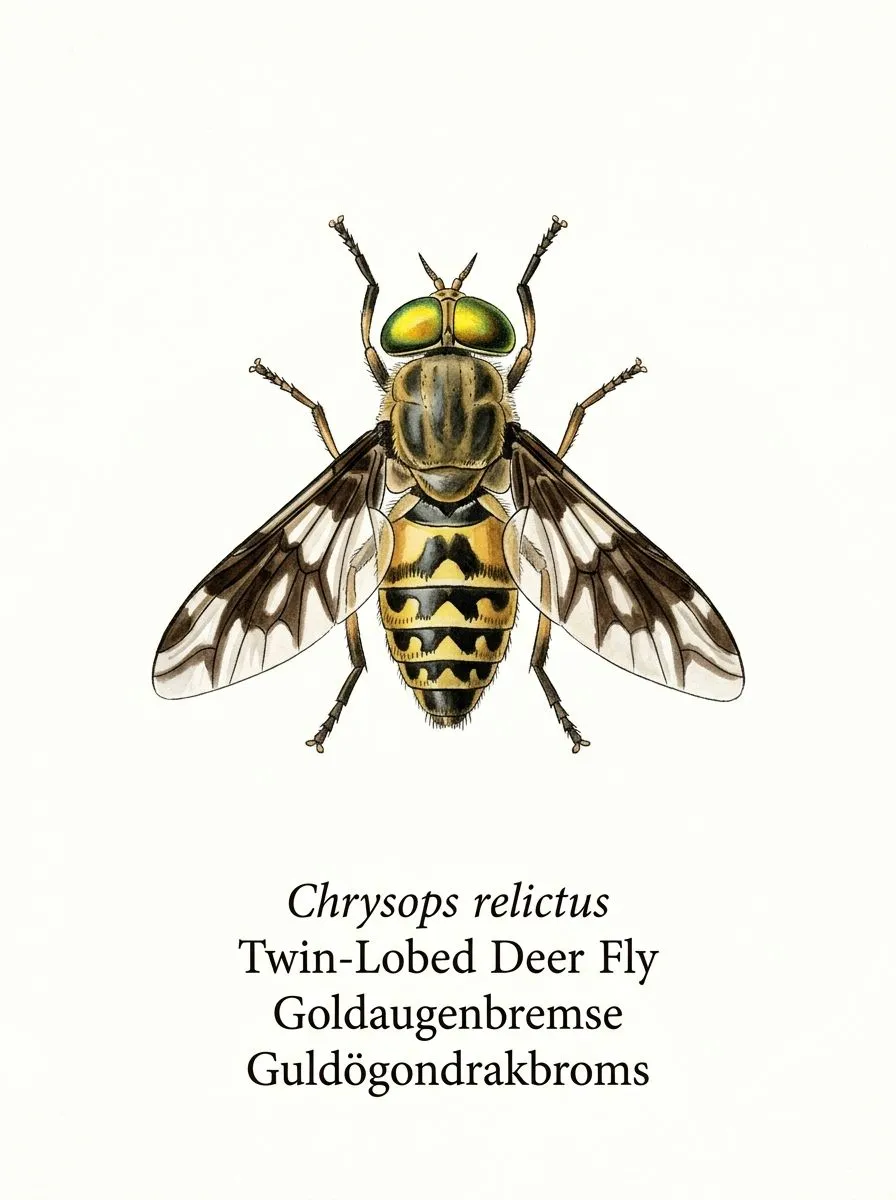
Chrysops Left
The twin-lobed deerfly, a small but very aggressive biter.
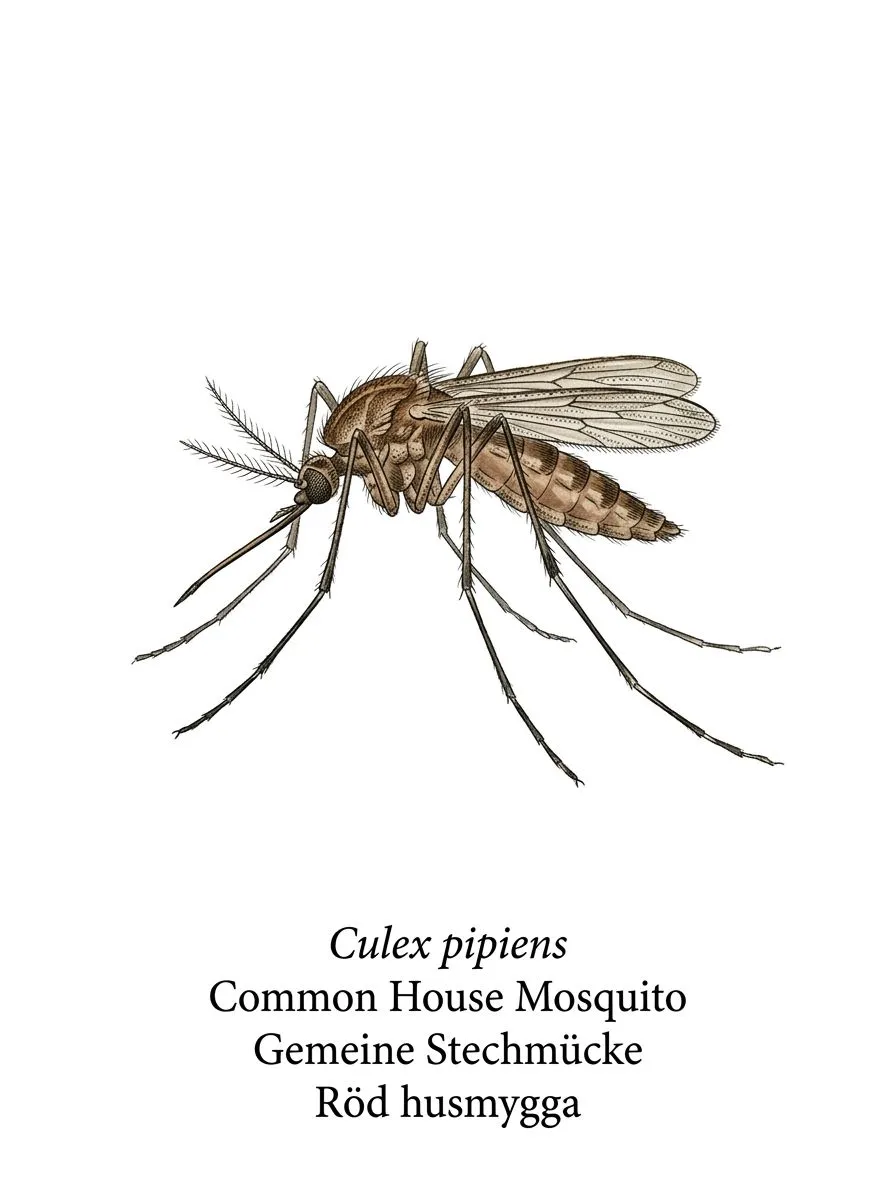
Culex Pipiens
The common house mosquito, a frequent companion on warm summer evenings.
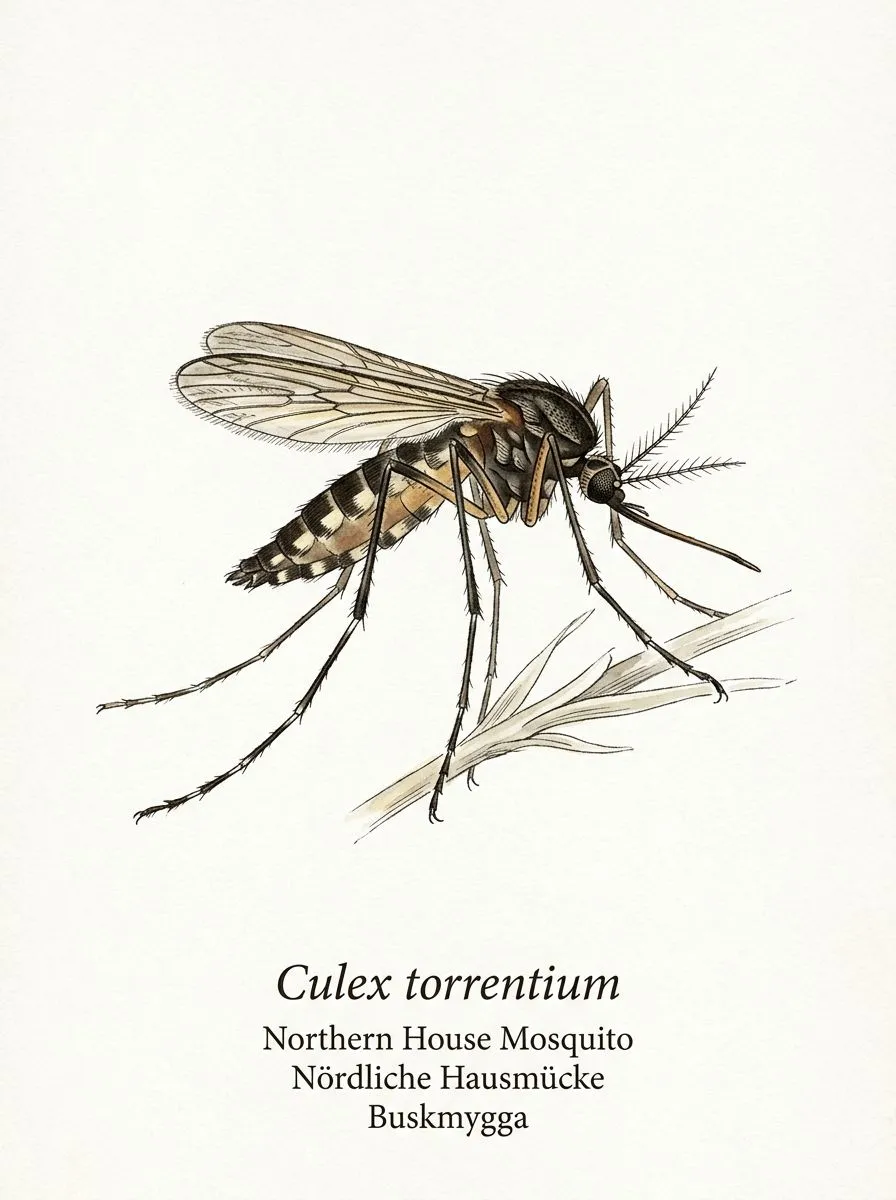
Culex torrentium
A twin species extremely similar to the common house mosquito.
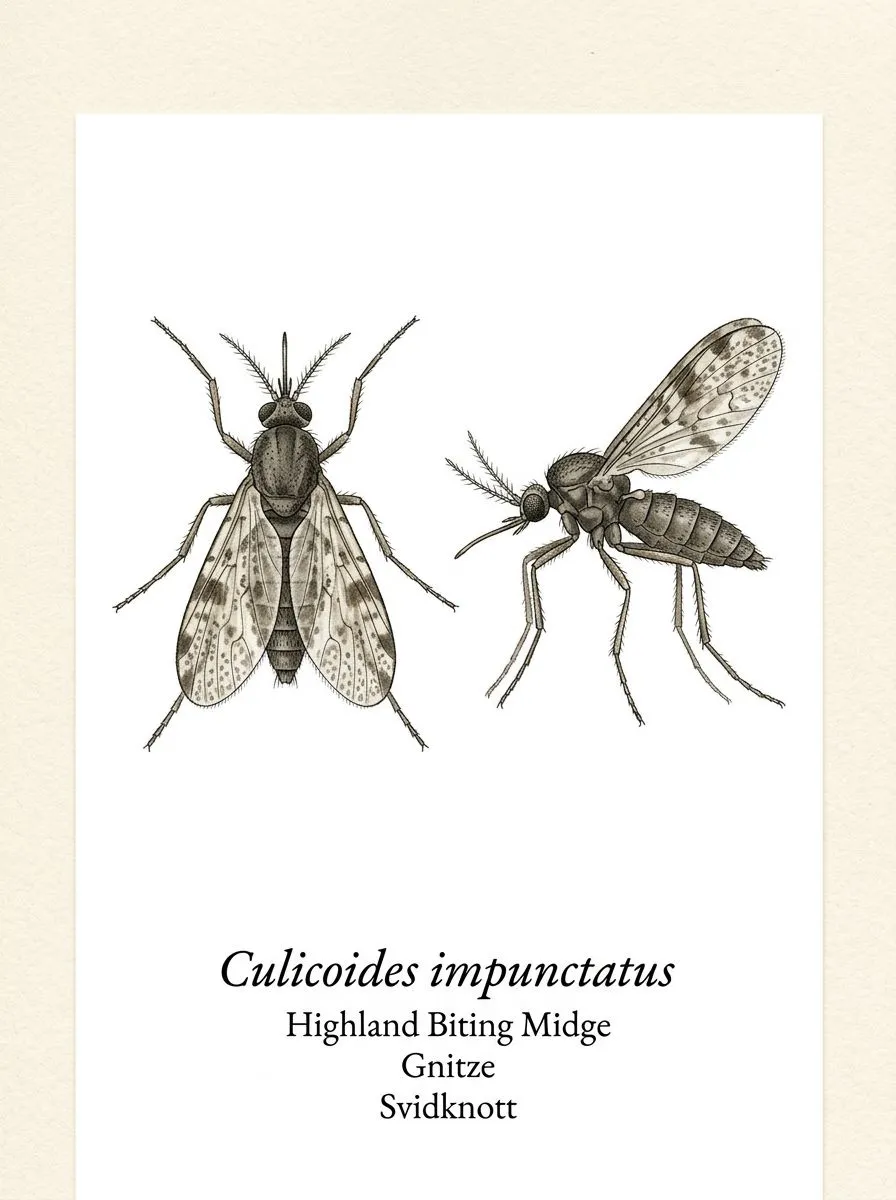
Culicoides Impunctatus
The infamous Highland midge, tiny but appearing in swarms.
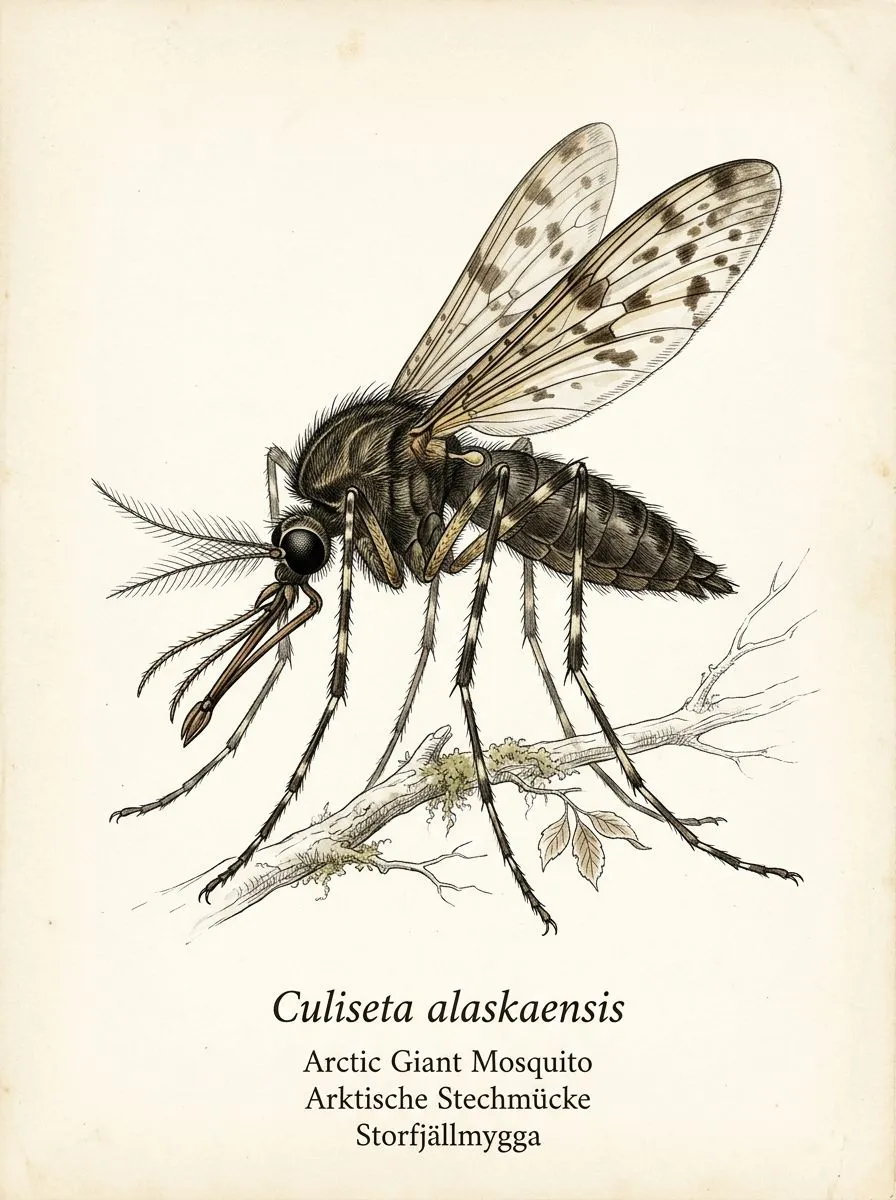
Culiseta alaskaensis
The Alaska ringed mosquito, one of the largest European mosquitoes.
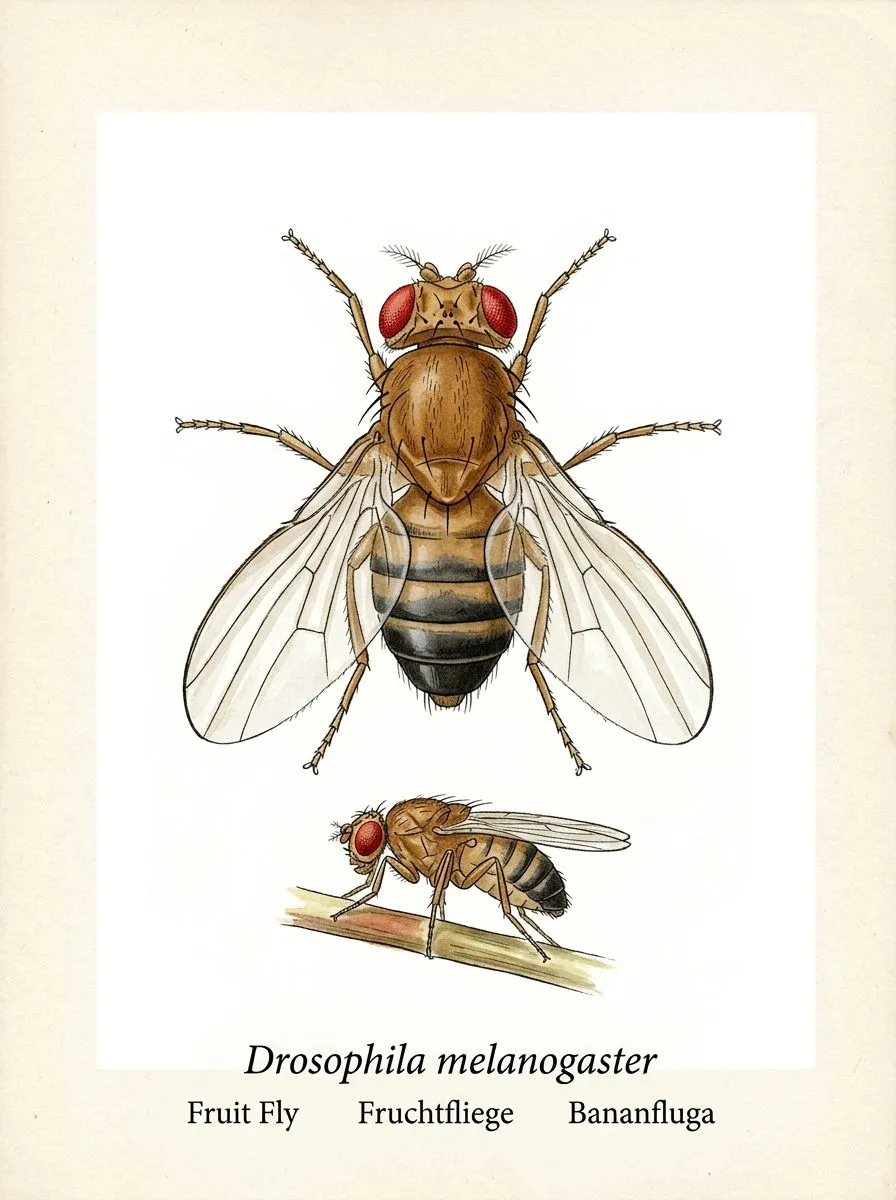
Drosophila melanogaster
The classic fruit fly, a constant guest near overripe fruit.
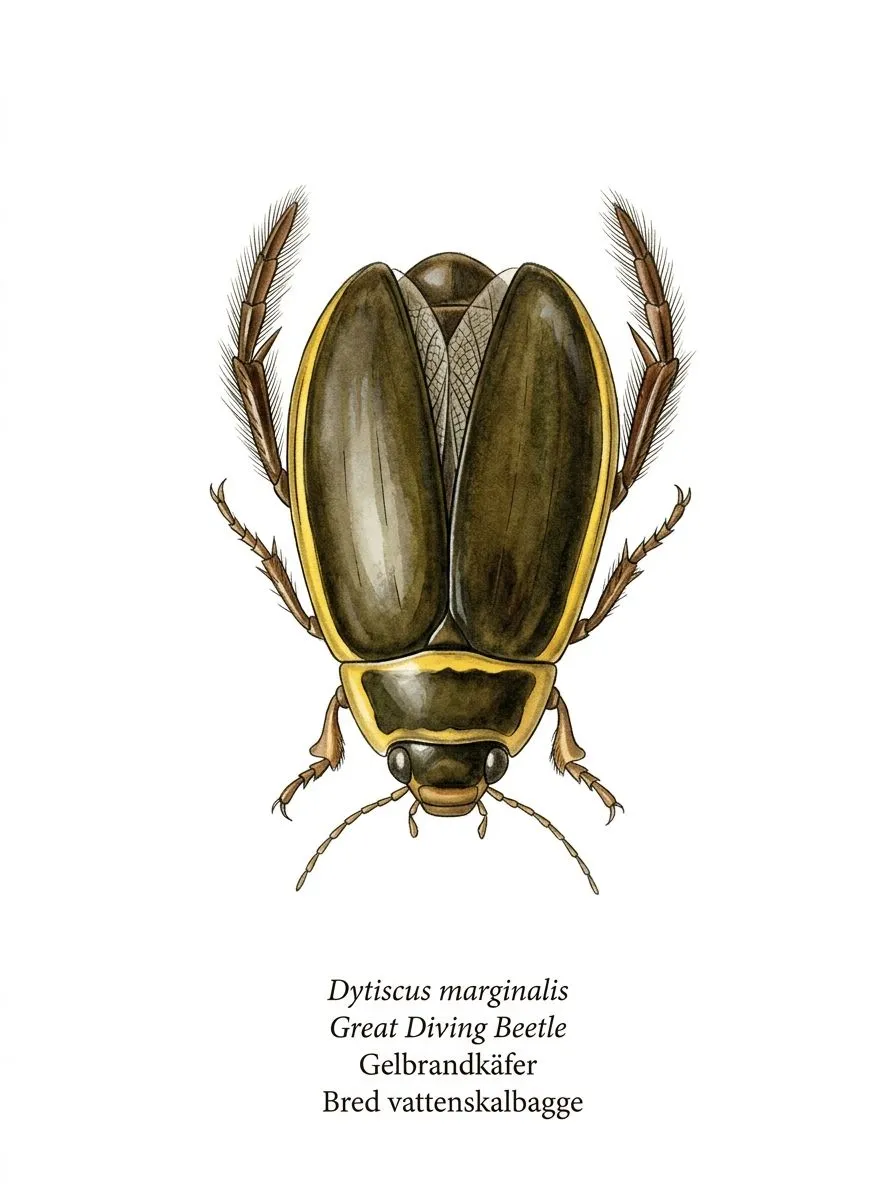
Dytiscus marginalis
The great diving beetle, a skilled predator in stagnant waters.
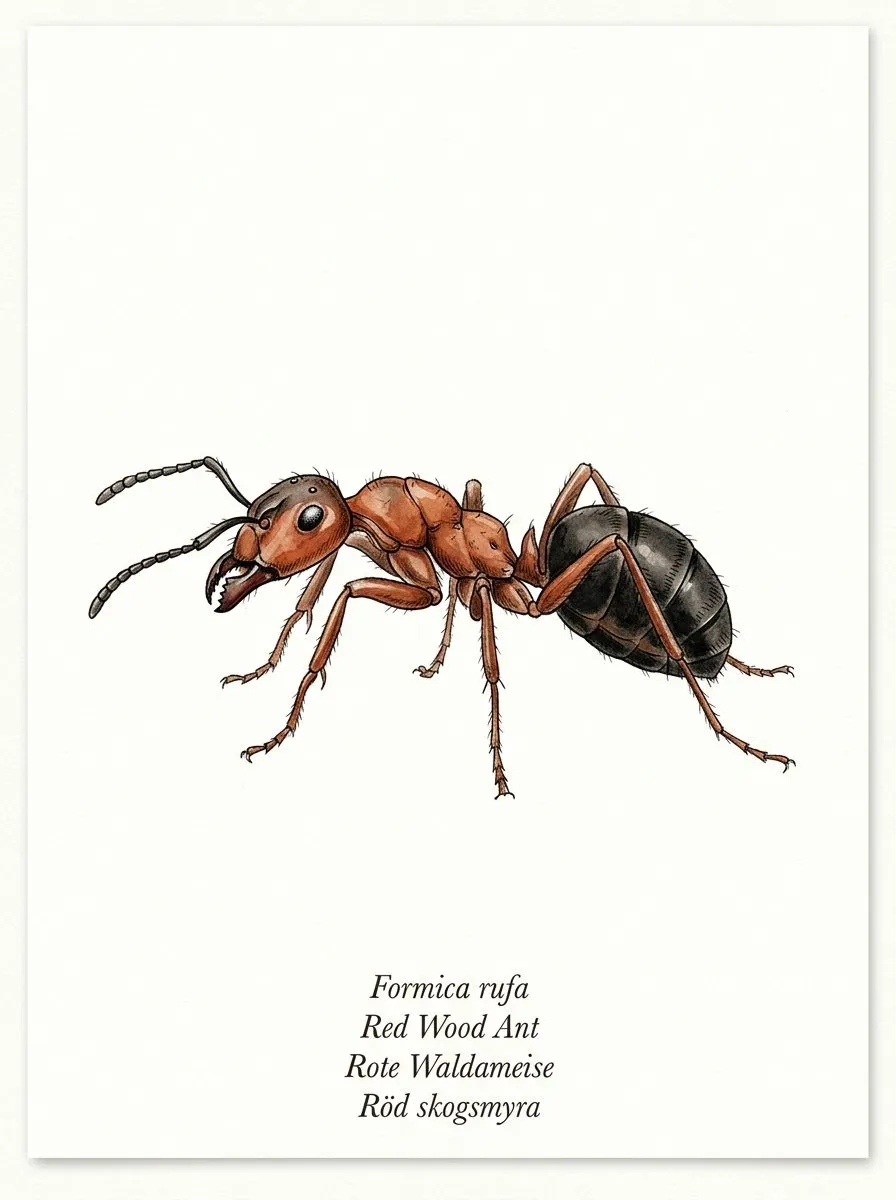
Rufa Ant
The red wood ant, builder of huge needle mounds in the forest.
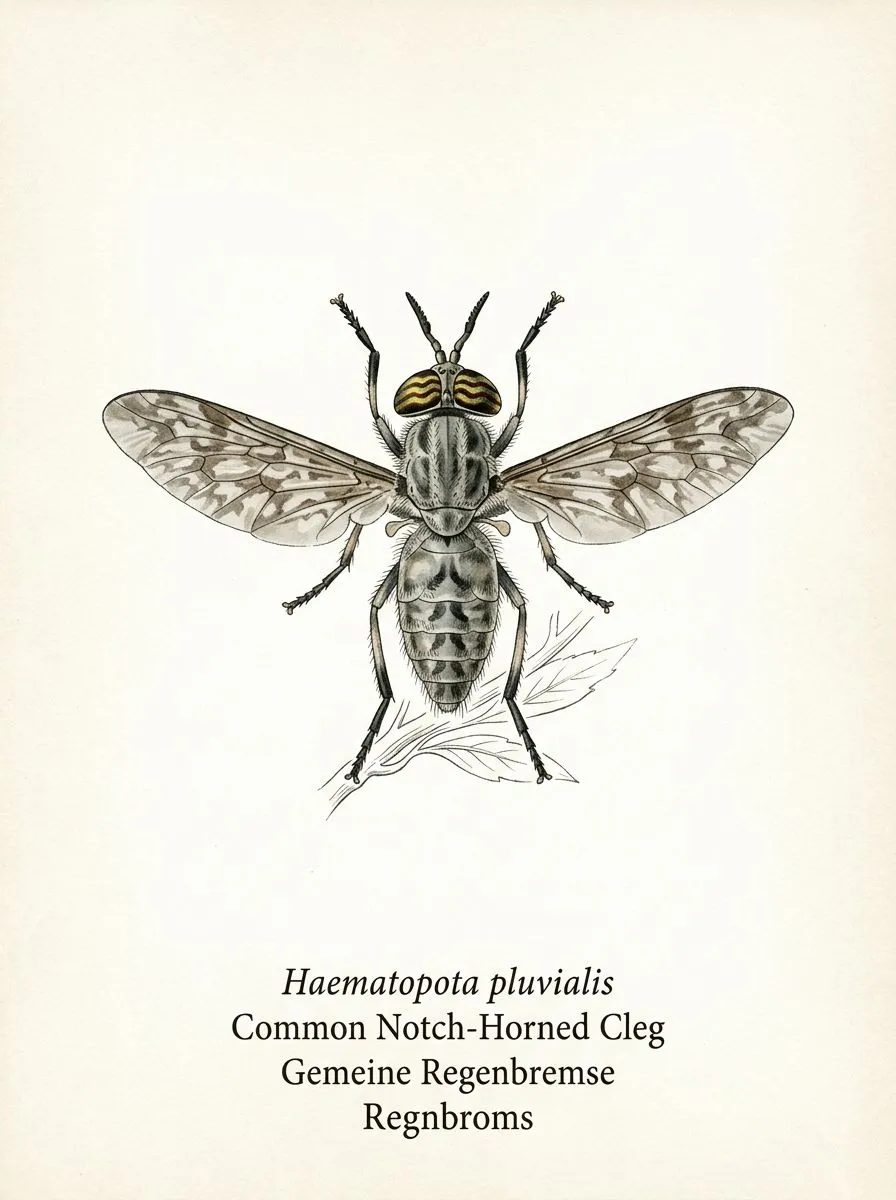
Haematopota Pluvialis
The common horse-fly, especially active in muggy weather.
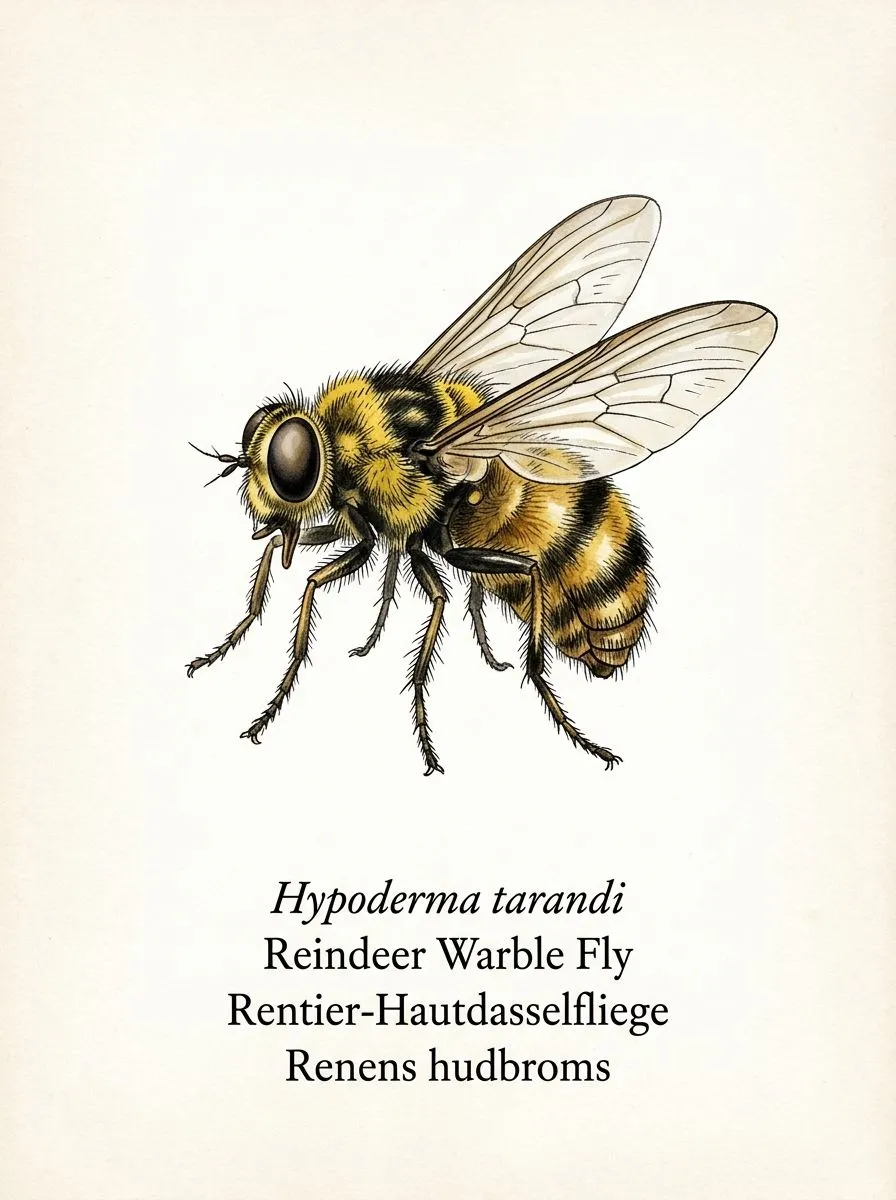
Hypoderma Tarandi
The reindeer warble fly, whose larvae parasitize the animals skin.
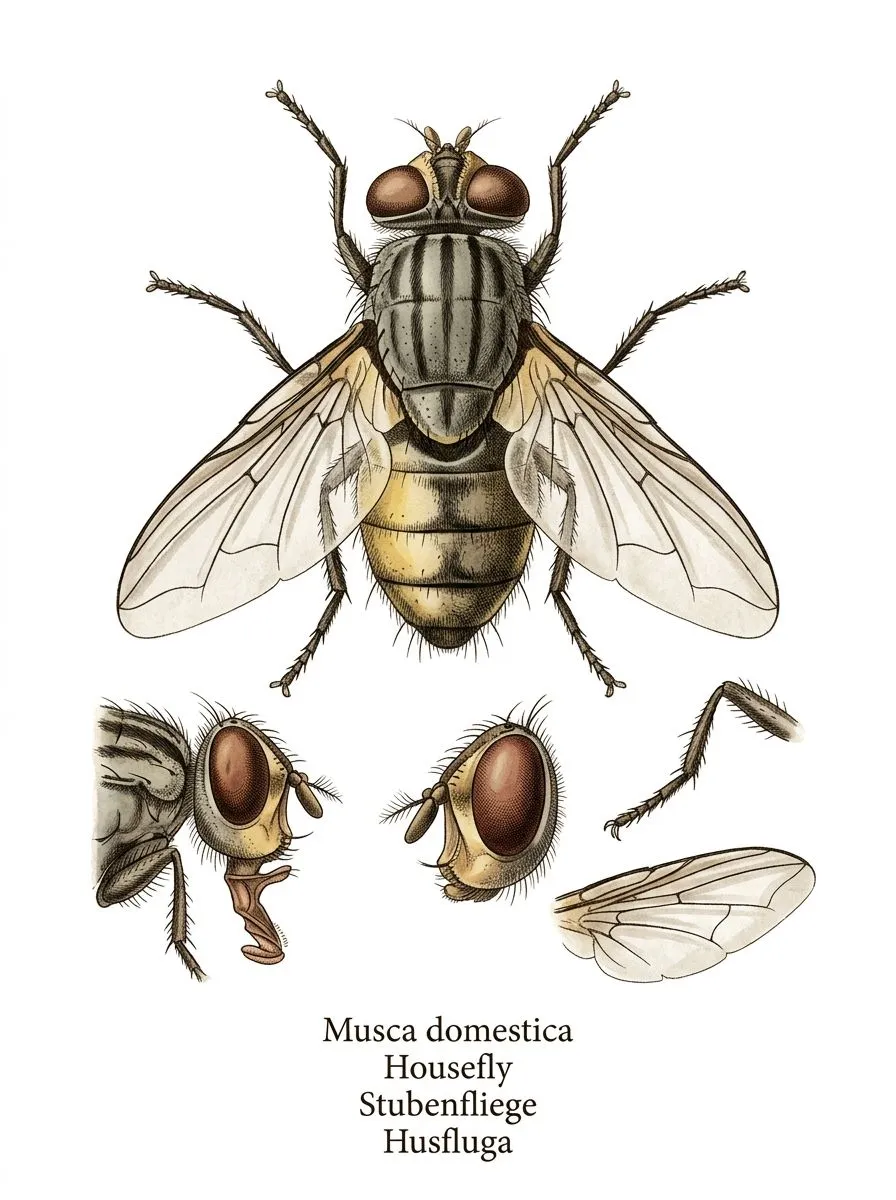
Musca domestica
The common housefly, probably the best-known synanthrope.
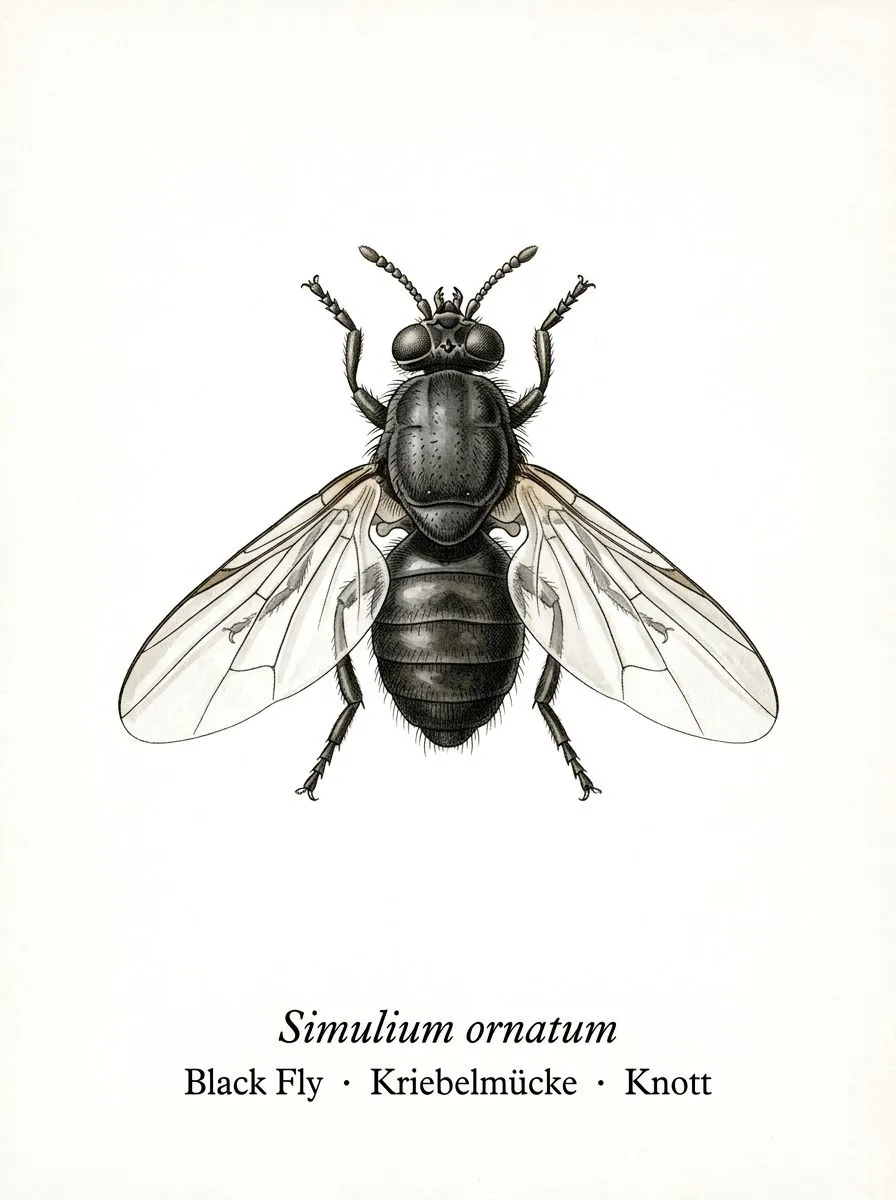
Simulus Ornate
A black fly species whose bites can be very painful.
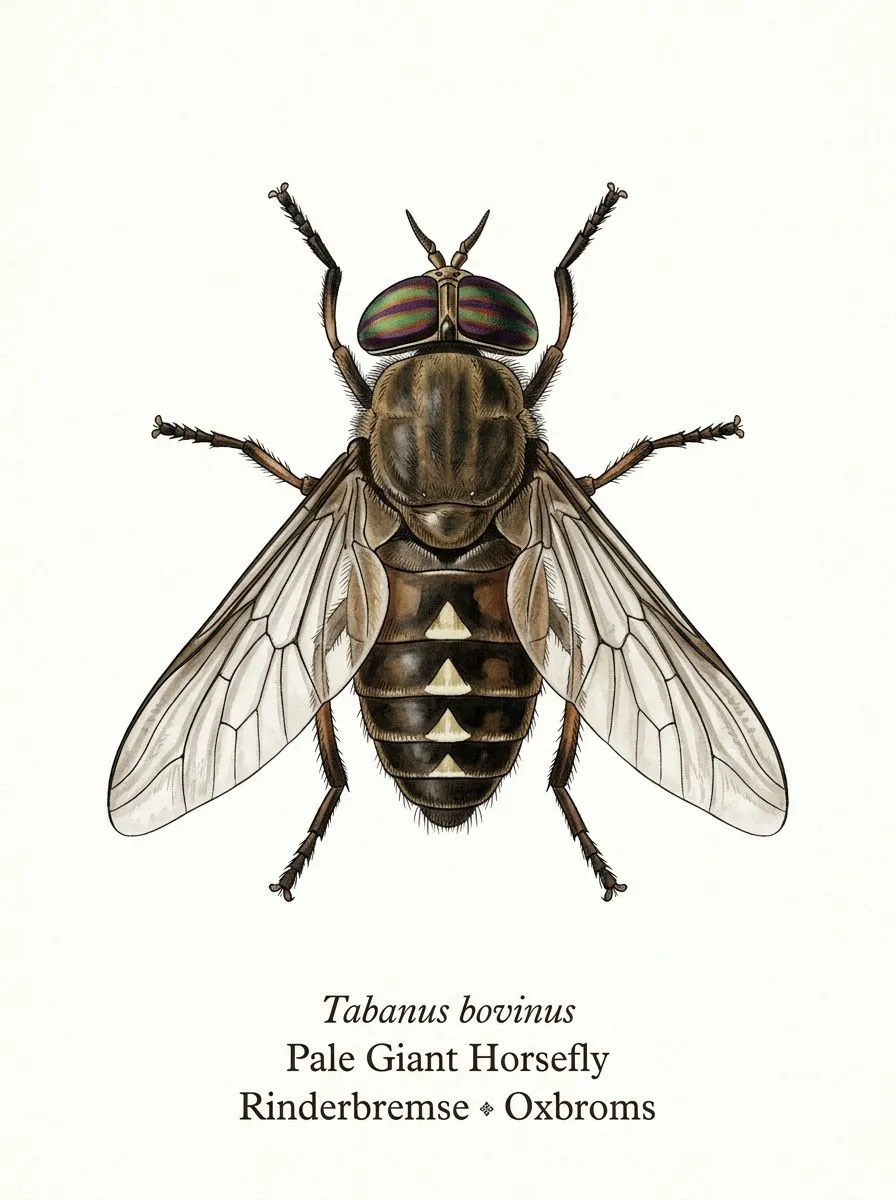
Tabanus bovinus
The pale giant horse-fly, one of the largest and loudest fly species.
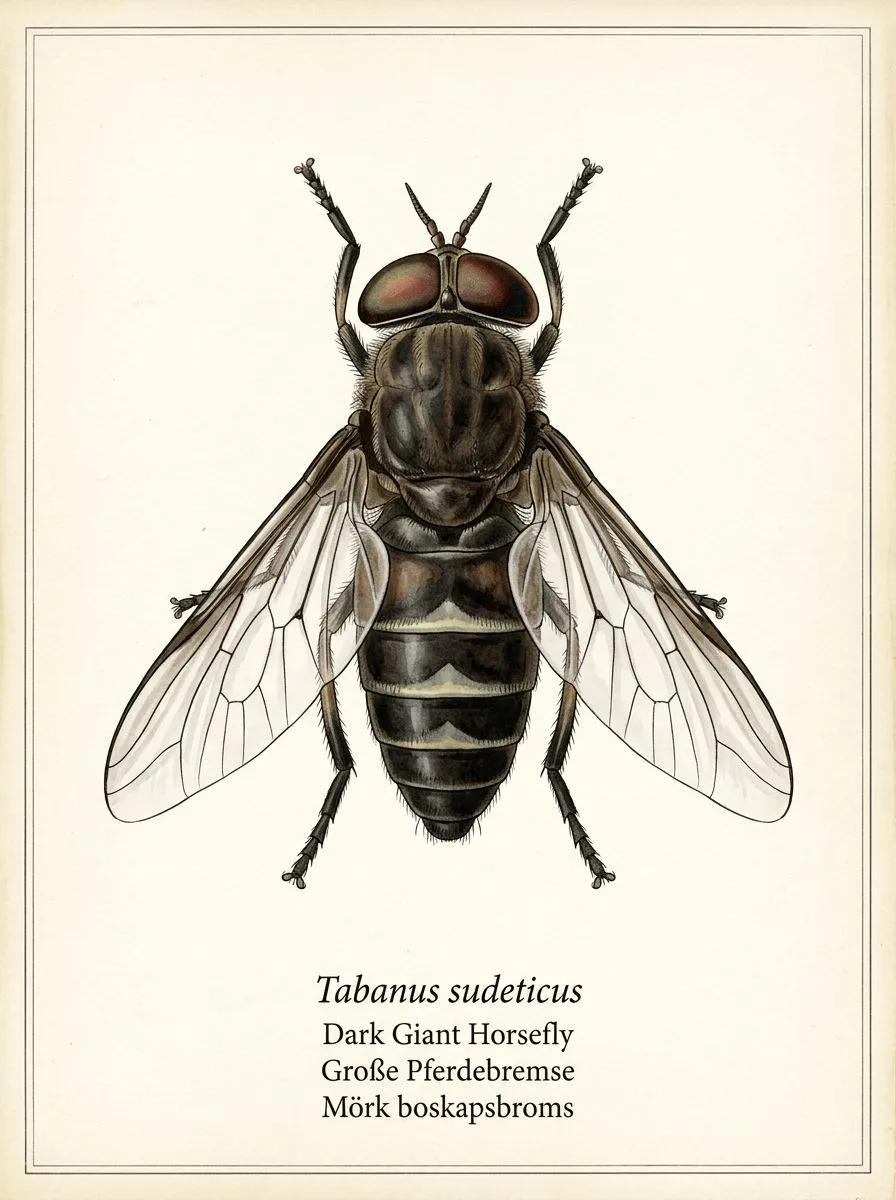
Tabanus Sudeticus
The dark giant horse-fly, an impressive, huge bloodsucker.